

Blackjack is one of the most popular and strategic casino games worldwide. Unlike many purely chance-based games, blackjack combines probability, skill, and decision-making. This unique balance gives players the ability to influence outcomes, making the game not only exciting but also rewarding. Whether you are a beginner learning the basics or an experienced player refining your techniques, understanding how to play blackjack properly can significantly improve your odds.
In this guide, we’ll explore the rules of blackjack, essential strategies, and practical winning tips to help you approach the game with confidence.
What is Blackjack?
Blackjack, also known as “21,” is a card game played between the dealer and one or more players. The goal is simple: achieve a hand total as close to 21 as possible without exceeding it. Each card carries a value:
-
Number cards (2–10): Count as their face value
-
Face cards (Jack, Queen, King): Count as 10
-
Ace: Can be worth either 1 or 11, whichever benefits the player’s hand
The beauty of blackjack lies in its combination of chance and strategy. Players make key decisions—hit, stand, split, or double down—that directly impact the outcome.
The Rules of Blackjack
Understanding the rules is the first step to mastering the game. Here are the fundamental elements:
Starting the Game
-
Each player places a bet before cards are dealt.
-
The dealer deals two cards to each player and two to themselves (one face up, one face down).
-
Players then decide how to act based on their hand value and the dealer’s upcard.
Player Options
-
Hit: Request another card to increase your total.
-
Stand: Keep your hand as is and end your turn.
-
Double Down: Double your original bet and receive exactly one more card.
-
Split: If you have two cards of the same value, split them into two separate hands with equal bets.
-
Surrender: Forfeit half your bet and end the round (only in specific variations).
Winning the Game
-
If your total is closer to 21 than the dealer’s without going over, you win.
-
If the dealer busts by exceeding 21, all remaining players win.
-
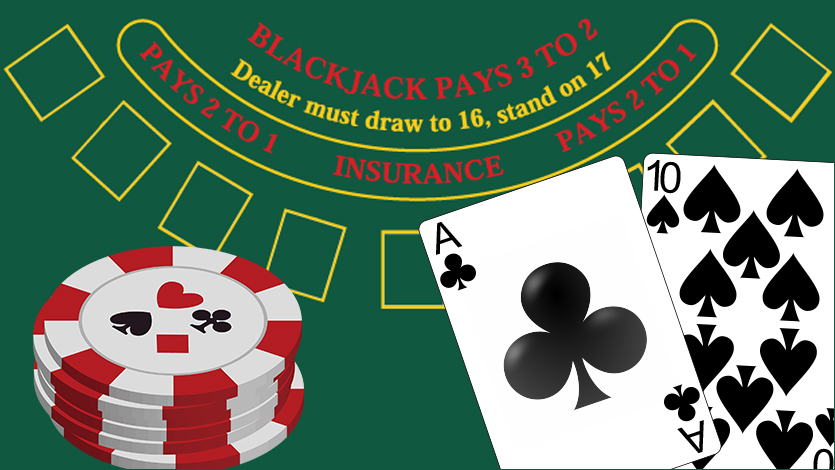
A natural Blackjack (Ace + 10-value card) usually pays 3:2, making it the strongest hand.
Why Blackjack Appeals to Players
Unlike games of pure chance, blackjack offers players real decision-making power. A well-informed player can reduce the house edge to less than 1%. This makes blackjack one of the fairest and most rewarding casino games. Its fast pace, simple rules, and the thrill of skill-based play keep both casual players and seasoned gamblers engaged.
Basic Strategy for Blackjack
Winning at blackjack requires more than luck. A basic strategy provides the mathematically correct decision for every situation. Following it consistently can dramatically improve results.
When to Hit or Stand
-
Always hit when your total is 8 or less.
-
Stand on a hard 17 or higher.
-
With a soft 18 (Ace + 7), stand if the dealer shows 2–8 but hit against 9, 10, or Ace.
When to Double Down
-
Double down on 10 if the dealer shows 9 or less.
-
Double on 11 unless the dealer’s upcard is an Ace.
-
Double on soft 16–18 if the dealer shows 4–6.
When to Split
-
Always split Aces and 8s.
-
Never split 5s or 10s.
-
Split 2s, 3s, or 7s if the dealer shows 4–7.
By sticking to these principles, players minimize losses and maximize potential winnings.
Advanced Blackjack Strategies
After mastering the basics, more advanced tactics can take your gameplay to the next level.
Card Counting
Card counting helps estimate the proportion of high and low cards left in the deck. While not illegal, it is discouraged by casinos. One of the most common systems is the Hi-Lo count:
-
Low cards (2–6): +1
-
High cards (10–Ace): –1
-
Neutral cards (7–9): 0
A positive count means more high-value cards remain, increasing player advantage.
Bankroll Management
Even the best strategy fails without proper bankroll discipline. Key tips include:
-
Set a clear budget before playing.
-
Stick to consistent bet sizes.
-
Avoid chasing losses with larger bets.
-
Increase wagers only when the odds are favorable.
Side Bets and Insurance
-
Side bets like Perfect Pairs or 21+3 can be tempting but usually carry a high house edge.
-
Insurance bets may seem safe when the dealer shows an Ace but are rarely profitable and generally best avoided.
Common Mistakes to Avoid
Many beginners make errors that cost them over time. Common mistakes include:
-
Playing without a strategy.
-
Taking unnecessary insurance bets.
-
Mismanaging bankroll and chasing losses.
-
Splitting 10s or failing to split Aces and 8s.
-
Misunderstanding soft versus hard hands.
Avoiding these pitfalls can dramatically improve your long-term success.
The Psychology of Blackjack
Blackjack is not just about cards—it’s also about mindset. Successful players maintain composure, avoid emotional decisions, and stay disciplined. Confidence, patience, and focus are as critical as strategy itself.
The Social Side of Blackjack
Blackjack is often enjoyed as a social experience. At land-based casinos, players interact with each other and the dealer. Online platforms now feature live dealer games, combining the comfort of remote play with the excitement of real-time interaction.
Real-Life Tips for Blackjack Players
-
Learn the rules before playing for money.
-
Practice online or with friends to build confidence.
-
Use free blackjack strategy charts until you memorize them.
-
Stay alert and avoid playing under the influence.
-
Remember the primary goal: enjoy the game, not guarantee profit.
FAQs about Blackjack
What is the best hand in blackjack?
The best hand is a natural Blackjack (Ace + 10-value card), which usually pays 3:2.
Can you consistently win at blackjack?
Using strategy and bankroll management improves odds, but no one can guarantee consistent wins every session.
Is card counting legal?
Yes, it is legal. However, casinos can restrict or ban players who use it.
Should beginners play online blackjack first?
Yes, online platforms offer free and low-stakes versions, making them perfect for practice without pressure.
What’s the difference between a hard hand and a soft hand?
-
A hard hand has no Ace counted as 11.
-
A soft hand includes an Ace valued as 11, giving more flexibility.
How much money should I bring to a blackjack table?
Experts suggest bringing at least 20–30 times the table minimum to handle natural swings in results.

Comments are closed.