
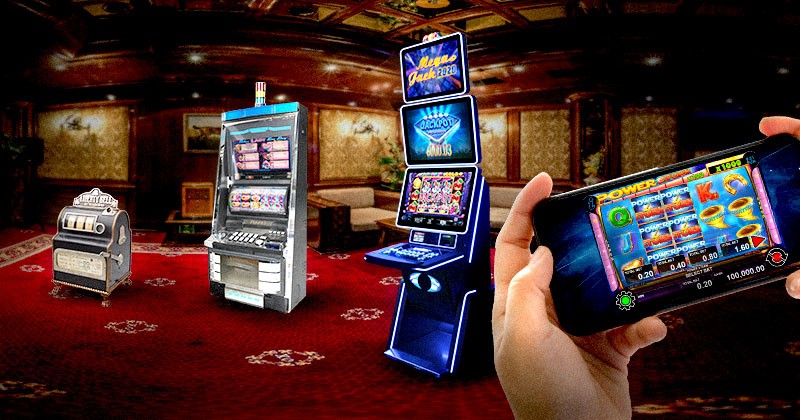

Stroll across any contemporary casino floor in Las Vegas, Atlantic City, or Macau, and the traditional iconography of casino gambling feels remarkably subdued. The simple mechanical cabinets topped with neon cherries, lucky red sevens, and golden bells still exist, but they have been pushed toward the perimeter walls. Dominating the main thoroughfares, towering over the pedestrian walkways in vibrant clusters of high-definition glass and surround-sound audio, are colossal interactive cabinets emblazoned with recognizable faces from Hollywood cinema, network television, and stadium rock.
Players sit mesmerized beneath curved OLED displays showcasing scenes from classic films, popular fantasy television series, and syndicated game shows. An afternoon on the modern casino floor can easily feel like channel surfing through forty years of entertainment history.
This transformation from generic mechanical spinners to licensed entertainment spectacles is not merely an aesthetic makeover. It is the result of a calculated convergence between behavioral psychology, advanced hardware engineering, and high-stakes media licensing. Branded slot machines have become the single most reliable revenue drivers in the gaming industry, fundamentally reshaping how casinos capture attention, retain player capital, and compete with the broader digital entertainment landscape.
The Psychological Mechanics of Instant Recognition
A casino floor is an intentionally disorienting environment. Between the labyrinthine floor plans, the lack of natural light, and the perpetual hum of thousands of competing audio tracks, visitors frequently experience sensory saturation within minutes of entering. In such a high-stimulus setting, the human brain actively seeks cognitive shortcuts.
This dynamic is where intellectual property acts as an emotional beacon. A player wandering through a sea of five hundred unfamiliar video slots experiences cognitive friction. They have no prior emotional attachment to a game titled after generic mythological gods or fictional gemstones. But when their eye catches an authentic portrait of their favorite television cast, or their ears pick up the opening guitar riff of a band they listened to in college, the friction evaporates.
Psychologists refer to this phenomenon as the familiarity principle, or the mere-exposure effect. People display an innate preference for things they already know and understand. By wrapping complex, high-volatility mathematical algorithms inside the comforting visual language of beloved pop culture franchises, slot developers disarm the player’s natural skepticism.
The transaction ceases to feel like an adversarial contest against an unyielding house edge. Instead, it feels like an extension of the media consumption habits players already enjoy at home. The machine offers what feels like a safe, nostalgic harbor on a floor full of mathematical risk.
The Business Engine: Licensing and the Participation Model
Securing the commercial rights to global media franchises is an extraordinarily expensive endeavor. Game manufacturers like International Game Technology (IGT), Aristocrat Gaming, and Light & Wonder pay millions of dollars upfront to major entertainment studios like Warner Bros., HBO, and Sony Pictures, along with ongoing royalty payments tied directly to gross gaming revenue.
To offset these exorbitant licensing costs, the casino industry adopted a specific commercial structure known as the participation lease model.
Unlike traditional, non-branded slot cabinets—which a casino typically purchases outright from the manufacturer for a fixed capital expenditure—premium branded machines are rarely sold directly to casino operators. Instead, manufacturers retain ownership of the physical hardware and software, leasing the units to casino properties in exchange for a daily participation fee or a direct percentage split of the machine’s net win, often between fifteen and thirty percent.
For casino operators, sacrificing a slice of the daily revenue might seem counterintuitive. However, the operational reality of the casino floor makes participation leases a winning trade:
-
Foot Traffic Generation: Branded machines placed near prominent entrances or high-traffic walkways draw casual visitors off the concourse and into the active gaming floor.
-
Superior Floor Yield: Despite sharing revenue with the manufacturer and studio, branded machines generate significantly higher coin-in—the total dollar volume wagered—than generic machines occupying the same square footage.
-
Rapid Lifecycle Turnaround: Because operators do not own the depreciating physical asset, they can easily swap out underperforming titles for the latest cinematic release, keeping the casino floor fresh and aligned with current cultural trends.
The participation model aligns the financial incentives of media moguls, slot manufacturers, and casino executives. As long as a cultural brand continues to command television ratings or theatrical box office returns, its counterpart on the casino floor remains a prime real estate asset.
Sensory Immersion and Theatrical Cabinet Engineering
The supremacy of branded slots would never have materialized without massive leaps in cabinet hardware over the past two decades. Early attempts at branded gambling in the late 1990s were often crude: a standard physical three-reel machine adorned with a static vinyl graphic of a classic television show. The gameplay itself was indistinguishable from the machine next to it.
Today, branded slots are engineered as bespoke, multi-sensory entertainment pods. Modern cabinets feature monumental curved touchscreens rising seven to nine feet into the air, directional sound bars integrated into the headrests of ergonomic chairs, and tactile haptic feedback mechanisms that rumble through the seat cushions in synchronization with on-screen action.
The Role of Cinematic Bonus Rounds
The modern branded slot player is rarely paying simply to watch reels spin; they are paying to unlock content. Game developers structure these machines around intricate bonus rounds that function as interactive cinematic mini-games.
When a player triggers a bonus feature, the standard reel grid disappears. In its place, the machine delivers licensed audio clips, authentic voiceover work recorded by original cast members, and uncompressed high-definition film sequences. The player might find themselves selecting doorways on a starship, participating in a game-show wheel spin, or watching an iconic musical performance while progressive jackpot tallies flash overhead.
This structure reframes the psychology of the wager. The cost of a spin is quietly reclassified in the player’s mind from a financial gamble into an admission fee for interactive media. Even when a bonus round yields a modest financial return, the sensory spectacle of having unlocked a dramatic piece of content provides a psychological payoff that keeps the player seated.
Micro-Targeting the Generational Wallet
Casinos are masterclasses in demographic segmentation. A well-managed gaming floor is carefully curated to appeal across generational cohorts, and pop culture branding provides the surgical precision required to target specific spending demographics.
Consumer research demonstrates that disposable income peaks between the ages of forty-five and sixty-five—a window when mortgages are maturing, children are becoming financially independent, and career earnings are at their highest. Slot manufacturers strategically license intellectual property that triggers acute nostalgia for this specific demographic sweet spot.
For older Baby Boomers, the floor offers nostalgic anchors grounded in the mid-twentieth century: classic variety shows, early television sitcoms, and iconic Hollywood figures from the 1960s and 1970s.
For Generation X, which currently occupies the prime high-spending demographic, the licensing targets have pivoted aggressively toward the defining entertainment of the 1980s and 1990s:
-
Primetime network sitcoms that defined communal television viewing.
-
Cult-classic comedies and high-octane Hollywood action blockbusters.
-
Hard-rock bands and stadium pop stars whose catalogs dominated MTV.
Meanwhile, forward-looking manufacturers are actively securing properties aimed at aging Millennials and older digital natives. The floor is increasingly peppered with contemporary prestige-streaming dramas, comic-book cinema universes, video-game crossovers, and modernized electronic music brands. By mapping licensing acquisitions to the natural life stages of target demographics, casinos ensure that as one generation ages out of the core player base, the next generation walks in to find its own youth waiting for them on the reels.
The Hidden Player Cost: Mathematics, Volatility, and Hold Rates
While branded slots undeniably deliver top-tier entertainment and cinematic production value, they come with a distinct mathematical trade-off that informed gamblers must understand: branded machines generally offer worse odds than their generic counterparts.
Running a branded slot machine is an expensive proposition. The manufacturer must recoup multi-million-dollar studio licensing fees, hardware research and development costs, and the ongoing expense of regular software updates. Simultaneously, the casino must generate enough gross revenue to cover the manufacturer’s daily lease cut while still delivering acceptable profit margins to the house.
To pay for this layered commercial structure, math models on branded games are deliberately engineered with wider house margins.
In gaming terminology, this manifests as a higher hold percentage (or a lower Return to Player, known as RTP). While an unbranded, low-profile video poker or traditional reel machine on the same floor might be configured with an RTP of 92 to 95 percent, a high-profile, licensed progressive machine sitting in the center aisle might be dialed down to an RTP of 85 to 88 percent.
Furthermore, branded machines are almost universally calibrated with high volatility. To create the immense excitement required to sustain a pop-culture brand, developers pack significant portions of the payback percentage into massive, multi-tiered progressive jackpots and visually explosive bonus rounds.
To fund those headline-grabbing top prizes, the base game must run remarkably lean. The frequency of small, sustaining hits during regular spins drops substantially. A player sitting at a branded cabinet will often burn through their session bankroll at an accelerated pace, enduring extended dry spells while waiting for an elusive bonus trigger to justify the investment.
The Cultural Longevity of the Branded Experience
Despite the mathematical drag and elevated volatility, branded slot machines continue to multiply across the world’s gaming capitals. The reason is simple: modern consumers do not evaluate the casino experience through mathematical models alone.
In an era where digital entertainment is virtually free, ubiquitous, and available on every smartphone screen, physical casinos can no longer attract audiences solely by offering a place to pull a lever and hope for three matching shapes. They must offer communal theater, spectacle, and narrative engagement.
Branded pop-culture themes bridge the gap between passive gaming and interactive storytelling. They transform the solitary act of betting against a microchip into a celebratory reunion with the cultural milestones that shaped the player’s life. As long as Hollywood produces cultural touchstones and human beings find comfort in the stories they love, the faces of movie stars, rock icons, and television heroes will continue to hold the most lucrative real estate in the casino world.

Comments are closed.